A useful side-job plan is not simply a list of rewards sorted from best to worst. Some jobs need a particular story window, some depend on following optional information, and others grow through several visits. This guide groups six Cyberpunk 2077 situations by the kind of attention they need. It reveals their practical decision points but avoids wider ending spoilers. The order below is an organisational suggestion, not a claim that every job has a hidden countdown.
First separate a story window from ordinary travel
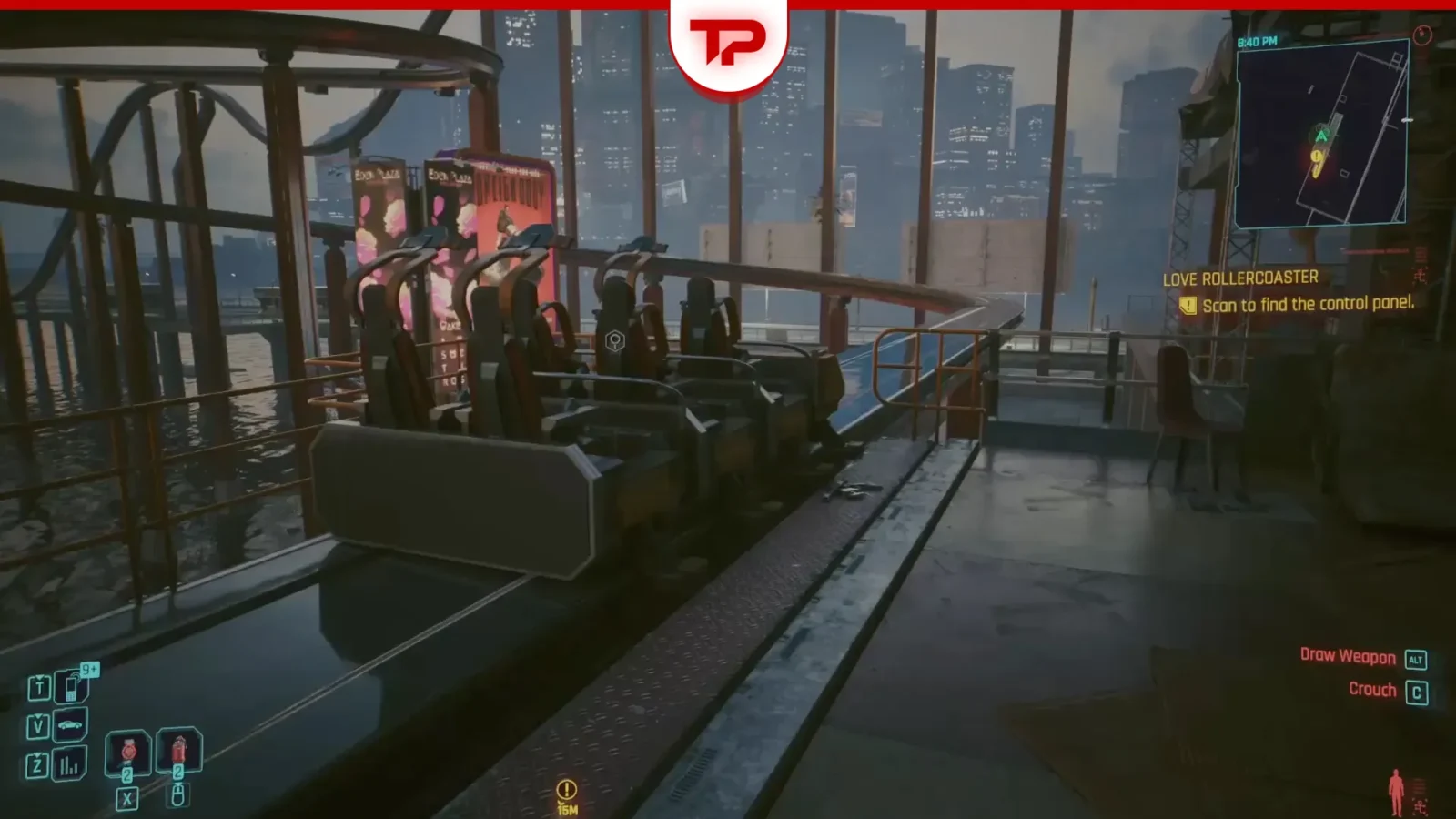
Love Rollercoaster is the clearest timing example in this group. The source places its rewarded quest between Playing for Time and Double Life, and distinguishes it from later repairs. If the rewarded visit matters to you, compare that window with your current story position before choosing another long activity. Treat the timing as source guidance rather than a promise independently tested for every patch.
Make the objective explicit
Write down whether you want the quest interaction, the physical repair or simply a visit to the attraction. These goals can look identical on a map while producing different expectations. The same planning habit applies elsewhere: define what “finished” means before travelling. A repaired object, collected item and completed conversation are not automatically interchangeable evidence of completion.
Give conversation investigations their own stop
Happy Together needs more attention than a quick conversation near V's apartment. The source route includes optional dialogue and a visit to Andrew's memorial before reporting to the officers. Put the memorial visit into your plan instead of considering it expendable because the objective is optional. The practical risk here is advancing a report without gathering the information you wanted, rather than being too slow at aiming or combat.
Keep a separate save for consequential branches
The rescue during Search and Destroy and the intervention during Kold Mirage are useful examples. For Takemura, the decision involves returning into the building instead of simply leaving. For Nix, the source distinguishes an electrical interruption that loses data from a successful computer intervention that preserves it. Where the game permits saving, keep an earlier checkpoint until you understand which result your action produced.

Save before the decision, not merely before travel
A checkpoint at the start of a long trip can still require unnecessary repetition. If you can save closer to the relevant interaction, preserve that as a separate file rather than overwriting your only fallback. This is an organisational recommendation, not an assertion that the game allows saving during every encounter. When saving is unavailable, identify the latest usable checkpoint before proceeding.
Fit repeated visits around other activities
The Prophet's Song develops through conversations with Garry before its later meeting objective. Track completed interactions so you can return between other activities without losing your place. The Highwayman, by contrast, is a clue trail connecting garages, a conversation and a station investigation. It benefits from staying oriented to the current piece of evidence rather than checking the same character repeatedly.
Use a four-column personal checklist
For each job, record the current objective, the next irreversible-looking report or intervention, the source of your route information and the save you would use to reconsider it. Add a short note when you finish a conversation or collect a required object. You do not need a spreadsheet of every street in Night City; you need enough context to resume without confusing similar destinations or repeating a decision you intended to postpone.

Review before a major story push
Before advancing several main jobs, glance at the activities whose source guides describe story windows. Then check the conversations and investigations you deliberately left unfinished. Prioritise the experiences you actually want rather than trying to clear the entire map out of fear. A good plan preserves meaningful choices while leaving room to explore, and it distinguishes sourced timing information from unsupported rumours about universal deadlines.
Guide references: TposeGaming 1 · TposeGaming 2 · TposeGaming 3 · TposeGaming 4 · TposeGaming 5 · TposeGaming 6.
Related guides: Engineer: progress through equipment and technology · Solo: build progress around close-range combat · Choose an operating system for your playstyle