
Record evidence and interpretation separately
The linked guides cover a staffing choice and a later bar scene, two different kinds of decision. This original worksheet is designed to record either without assuming that every visible reaction proves a hidden score or a future ending. Its fields describe your observations; they are not additional variables inside Dispatch.

Use five fields for each important decision
Write the prompt or situation, your intention, the wording you selected, the visible feedback and the remaining question. Keep each field to one or two sentences. The purpose is to make the choice understandable later, not to transcribe the entire scene or create a second task that competes with playing the game.
For example, an intention might be “be direct without escalating the argument.” That is your role-playing goal, not a documented game reward. A remaining question might be “does another response change the next conversation?” Keep it as a question until a comparison or a reliable source answers it.
Describe feedback without adding a theory
Use concrete observations: a line of dialogue changed, a character reacted differently or the game displayed a particular message. Avoid turning tone into a permanent relationship label. “Sounded disappointed” may describe your impression; “will never cooperate again” requires evidence that a single expression does not provide.
If you cannot quote or recall the exact feedback, say so in your note. A rough recollection should not become a precise numerical claim later. You can attach a screenshot when it helps, but include enough text to explain which part of the image matters and what you are uncertain about.
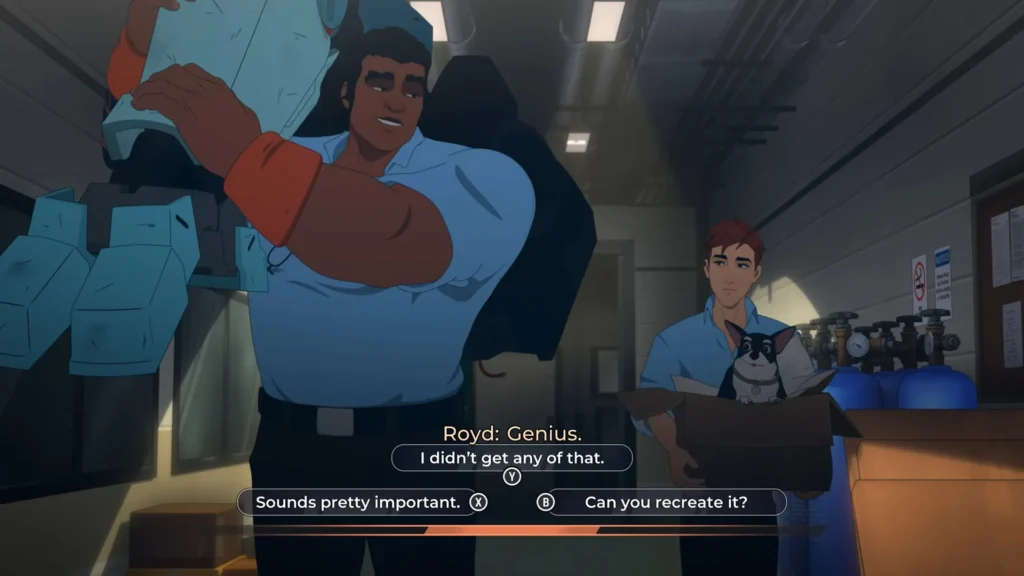
Use the journal to choose a useful replay
Review the unanswered-question field at the end of an episode. Pick a question that matters to you and identify the smallest comparison that could answer it. This is more efficient than replaying every scene with every option, particularly when your real concern is one conversation rather than the complete space of possible outcomes.
Add the starting conditions to the comparison note: episode, known earlier choices and game version when available. If you cannot recreate the same conditions, keep that limitation visible. A changed result may be interesting without proving that the single decision you focused on caused every difference.
Share a finding with the right level of confidence
When sharing a result, include the observation, the comparison and the limitation in that order. Mark the episode and spoiler scope before the details. Another player should be able to tell whether you saw a direct response change or are offering an interpretation about later events.
Do not include private account details or unrelated screenshots in a public correction. The useful information is the in-game context and the evidence for the claim. A short, carefully bounded observation is easier for an editor to verify than an elaborate theory that mixes several undocumented assumptions.

Sources and editorial approach
Source references: TposeGaming, TposeGaming. Game-specific facts are attributed above. Planning methods are GameThrum editorial recommendations, not additional game mechanics. No firsthand playtest is claimed.


