
Choose the stall that fits your route
The Trapper turns hunting materials into clothing, accessories, and saddles. His five Story Mode locations are the Saint Denis market, southwest of Annesburg, the hill near Riggs Station, Big Valley northwest of Strawberry, and the area southeast of Blackwater beyond the Lower Montana River. You do not need to cross the entire world merely because a screenshot shows a particular stall. Start by choosing the location that your current chapter and travel route make practical.
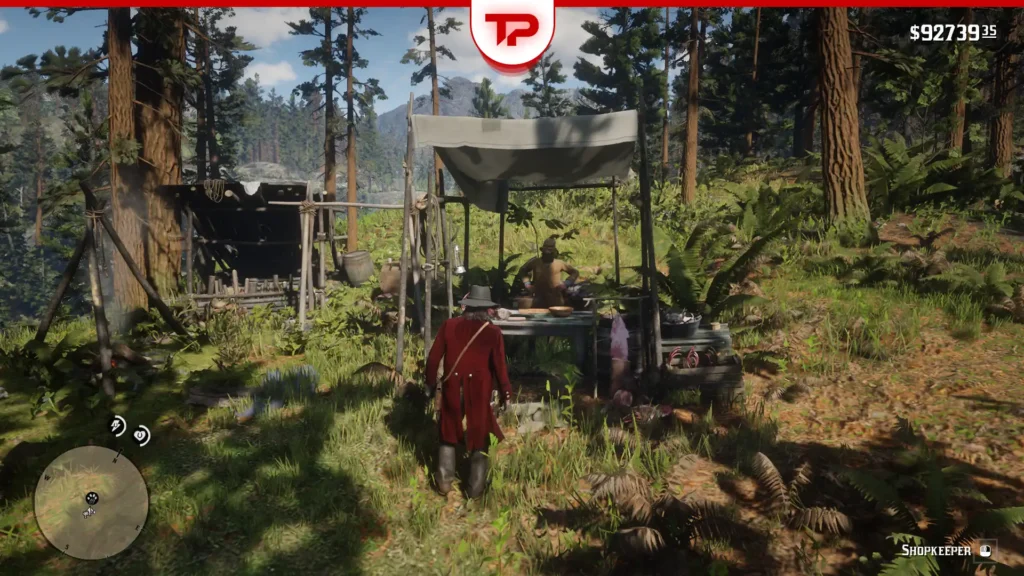
Arrive with a specific shopping objective
Before travelling, decide whether the visit is for selling materials, checking a recipe, buying a finished piece, or comparing saddles. Those are related but separate tasks. A player who arrives with a particular outfit in mind should write down the item names; otherwise the shop’s many similar clothing categories can turn a short visit into repeated menu searching.
For a crafting project, keep three columns in your notes: required, already delivered, and still missing. Copy the requirement from the item you actually want rather than assuming another garment with the same animal name uses the same quantity. Add the purchase price to the note as a separate field. Materials and cash are different parts of the decision.
Make a visit part of an existing journey
A sensible Trapper stop usually fits around where you are already going. If a story mission or exploration route takes you near a stall, use the opportunity to review your list instead of making a separate trip for each item. The goal is not the mathematically shortest ride on paper; it is a route you can follow without losing track of the materials you wanted to deliver.
The city stall is convenient when you are already visiting shops, while a wilderness stall may suit a hunting trip. Compare actual road access and your current position rather than measuring only a straight line on the map. Mountains, rivers, and restricted regions can make the visually closest point a poor practical choice.

When the desired item still looks unavailable
Read the missing requirement directly in the menu. Check the animal name, the material type, its quality, and the quantity separately. “I brought a pelt” is not a complete match to a recipe that specifies a particular perfect pelt. Also make sure you are viewing the intended garment rather than a similarly named item in another set.
Do not leave the shop with only a vague memory of what was missing. Record the exact remaining requirement while the menu is open. If you are collecting several pieces, update the list immediately after each purchase so that the next hunting trip serves the unfinished recipes. This prevents duplicate effort and makes progress visible without a complicated spreadsheet.
End with a useful next action
A successful visit ends with either a purchased item or a clear next requirement. Choose one unfinished piece to prioritise, note its materials, and identify the next sensible region to explore. Avoid turning the entire catalogue into an urgent checklist on your first visit. You can build a useful outfit or saddle collection gradually while continuing the story. Revisit the stall when your material list changes, rather than repeatedly checking the same unavailable recipe without new supplies.
Continue your RDR2 route
- RDR2 Trapper Saddles: How to Choose the Right Upgrade
- RDR2 Trapper Outfits: A Practical Garment-Set Checklist
- RDR2 Black Outfit: Build a Clean Dark Gunslinger Look
Source reference: TposeGaming. Written as a practical Story Mode guide. Planning recommendations are GameThrum editorial guidance; no firsthand playtest is claimed.


