Plan a set as individual pieces
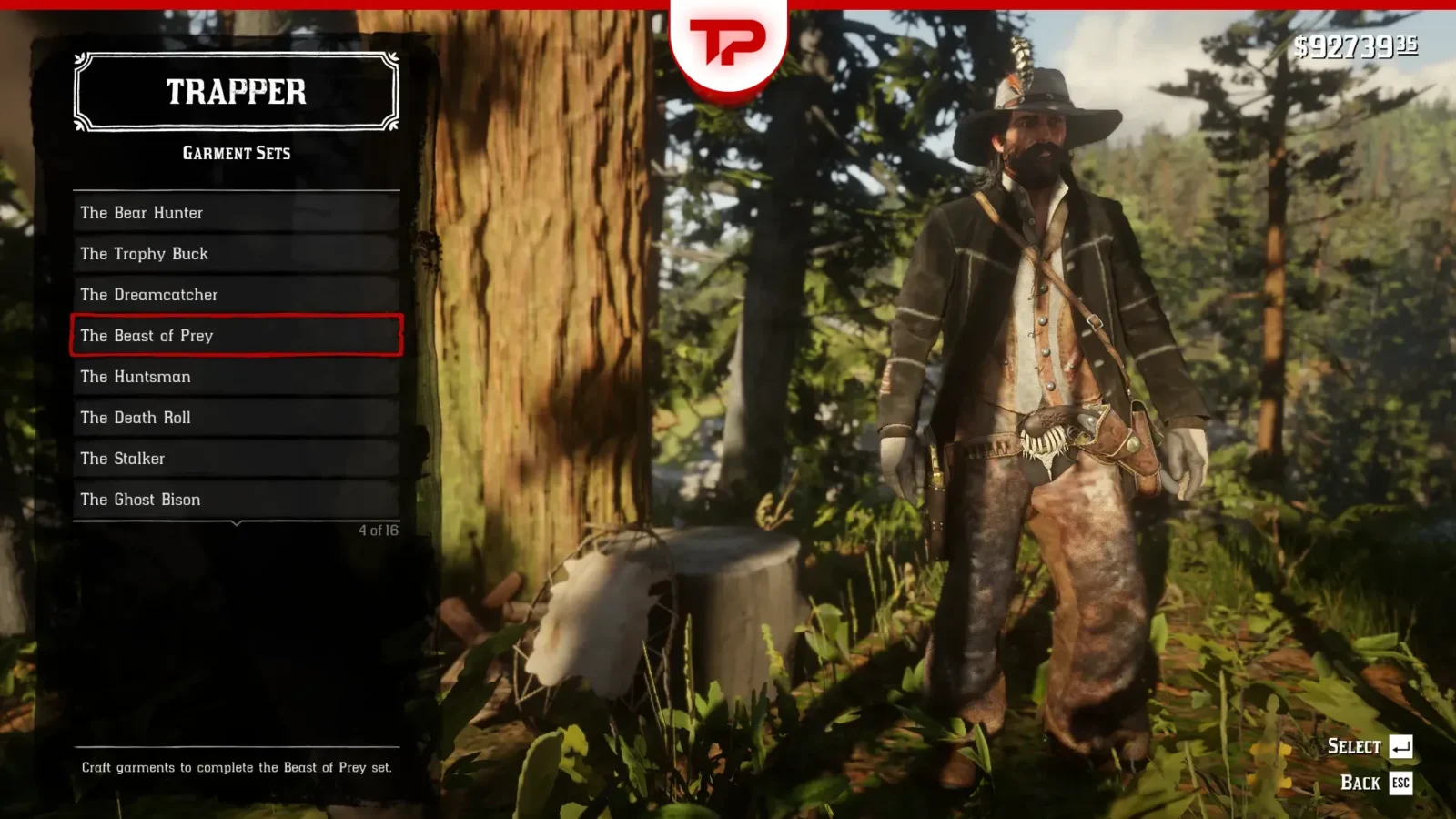
Trapper garment sets mix several recipes, so one successful hunt does not necessarily finish an outfit. The Bear Hunter set is a useful example: its coat combines legendary bear and perfect bison materials, its ropers also require a perfect bull hide, and the Boar Riding Gloves use boar and rabbit pelts. Treat the outfit as a collection of pieces with separate requirements instead of assuming its name describes every animal you need.
Build a materials list that cannot mislead you
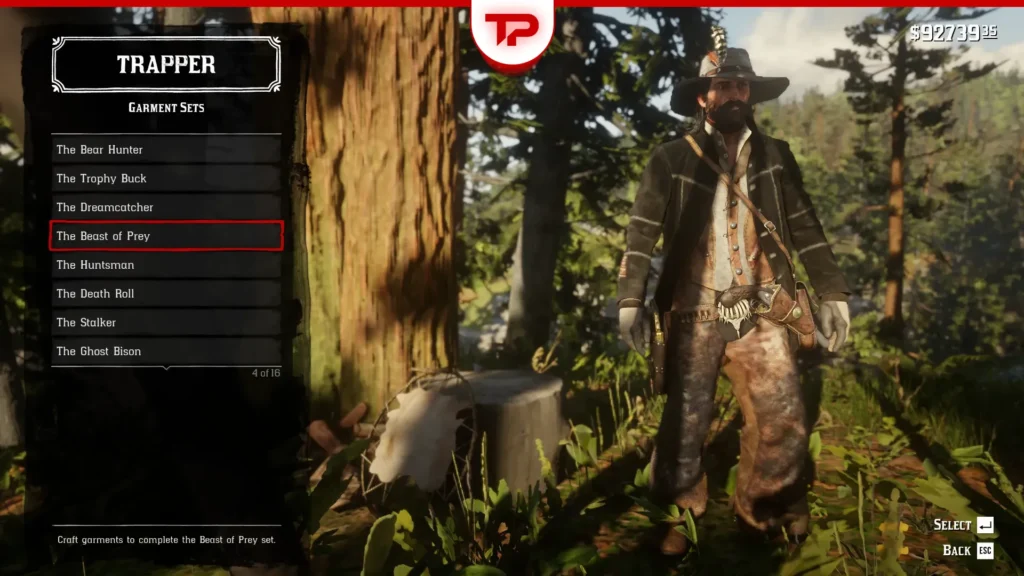
Choose the first piece you actually want to wear and copy its full recipe from the shop. Include the material name, quality, quantity, and purchase cost. Then do the same for the next piece. Only combine quantities after you have written the individual recipes correctly. Combining too early can hide the fact that similarly named materials belong to different requirements.
For each material, track what is required, what has already been delivered, and what remains. Do not use a single tick beside an animal name if several pieces depend on it. A note that says “rabbit done” may become ambiguous when a new recipe is added. Numbers and item names are more useful than memory once your collection grows.
Prioritise useful pieces before completion
You do not have to make every item equally urgent. Decide whether your immediate objective is a preferred look, a useful clothing combination, or completion of the catalogue. A single distinctive hat or coat may satisfy the first goal long before an entire named set is finished. That lets you enjoy the result while continuing to collect the remaining materials.
If several recipes are open, pick one main target for the next hunting trip and treat other finds as bonuses. This keeps the trip understandable and reduces the temptation to chase unrelated animals in every direction. After returning to the Trapper, update the missing-material list before choosing the next target. The plan should change when your supplies change.
Check quality and the exact recipe
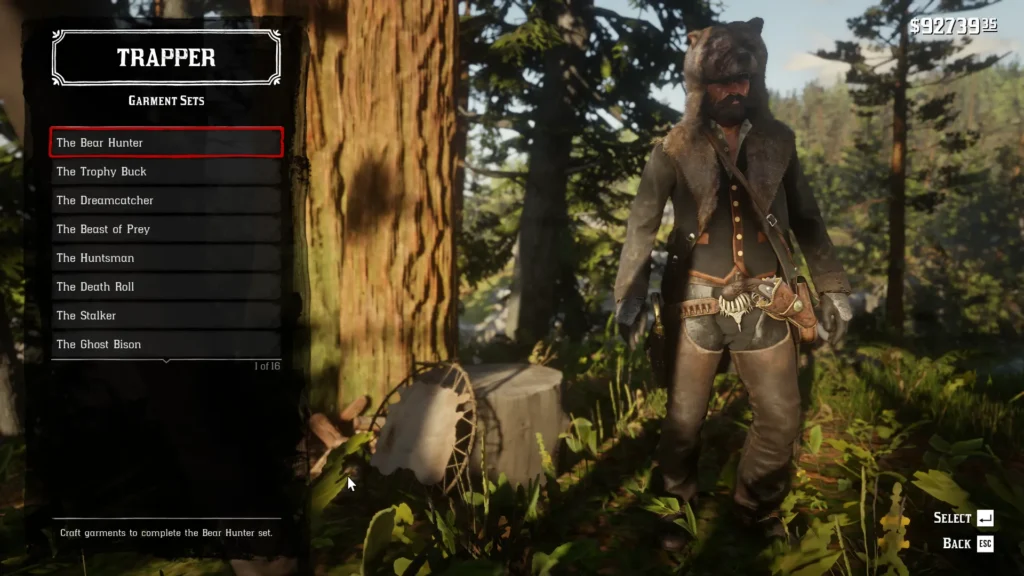
Before assuming a recipe is broken, compare every requirement with what you supplied. An ordinary material and a legendary material are not interchangeable labels, and a lower-quality pelt does not meet a perfect-pelt requirement. Read the missing line in the menu carefully. It is more useful than repeatedly trying to buy the same unavailable item.
If you need to revisit a hunt, record the specific mistake: wrong animal, wrong quality, too few materials, or not enough money. Those require different next actions. A vague instruction to “hunt more” can waste an entire session. Keep an image of the recipe if that is easier than transcribing it, but make sure the item name is visible in the screenshot.
Finish with a wearable combination
Preview the collected pieces together before spending time on the final missing item. Similar catalogue names do not guarantee the combination you pictured. Save a preferred outfit once you are satisfied and keep a separate note for collection goals still unfinished. A wardrobe can be useful before it is complete. The practical endpoint for a session is a clear purchase or a clear remaining requirement, rather than an unresolved list of every garment in the shop.

Continue your RDR2 route
- RDR2 Black Outfit: Build a Clean Dark Gunslinger Look
- RDR2 Found and Stolen Hats: Which Pickups Stay Saved?
- RDR2 Locations in Real Life: How to Read the Comparisons
Source reference: TposeGaming. Written as a practical Story Mode guide. Planning recommendations are GameThrum editorial guidance; no firsthand playtest is claimed.


