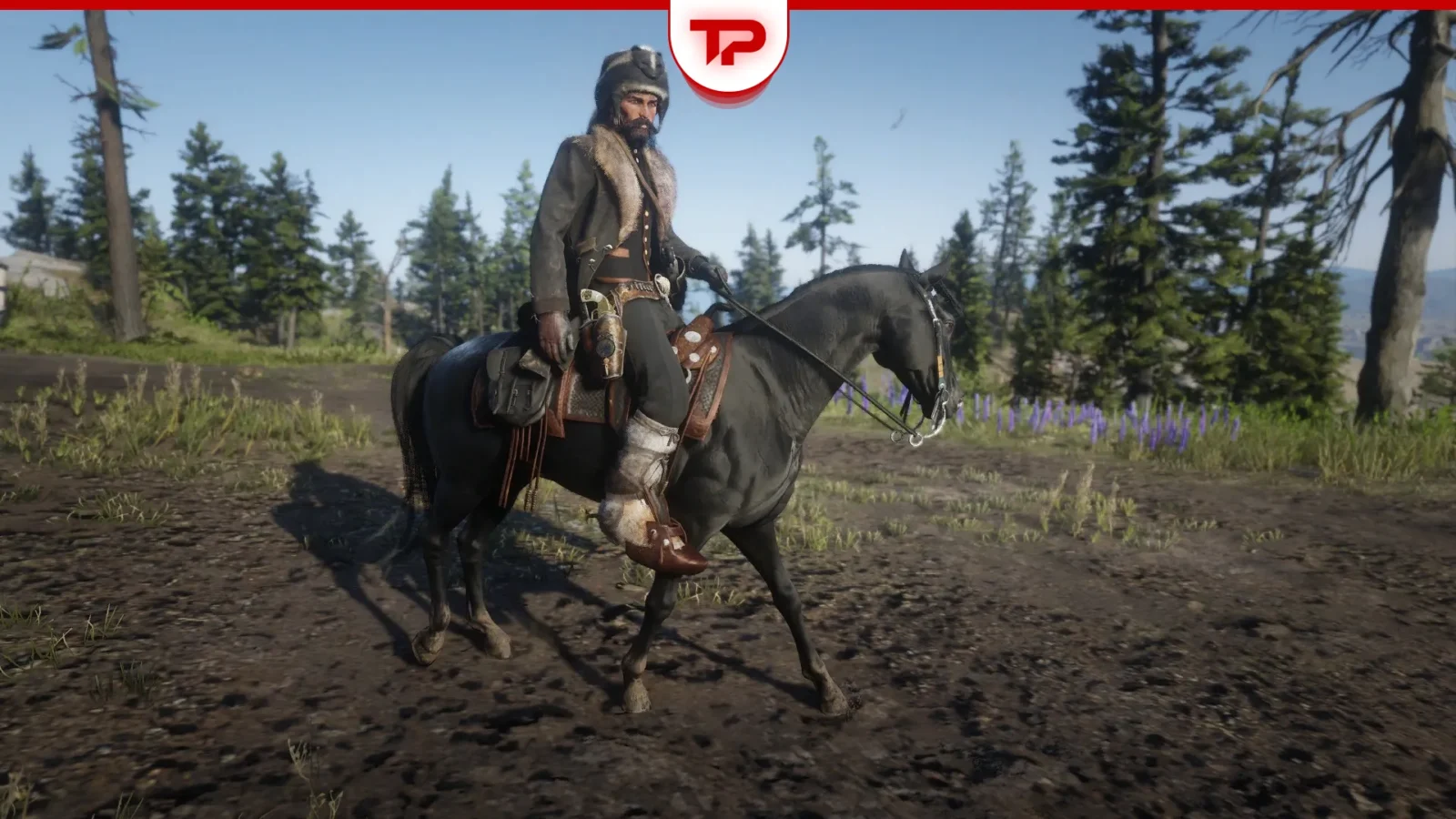
Choose one clothing slot to improve
Beyond complete garment sets, the Trapper sells individual vests, boots, and chaps. Three example recipes from the source are Rugged Wrangler Vest with a perfect pig hide, Hinterland Vest with a perfect ram hide, and Rustic Vest with a perfect cougar pelt. These examples show why the exact animal and material matter. Choose the clothing slot you want to change first, then inspect that item’s own recipe before planning a hunt.

Decide how visible the item will be
A vest mostly hidden beneath a coat has a different visual role from a pair of chaps visible throughout ordinary riding. Before investing in a recipe, preview the item with the clothing you actually use. If the desired detail is covered, decide whether you also intend to change the surrounding layers. Otherwise the purchase may add little to the appearance you see most often.
Think of the outfit as foreground and background. One distinctive piece can carry the look while quieter pieces support it. If every item has a competing texture or strong outline, the combination may feel busy even when each piece looks attractive alone. Use the preview to judge the whole outfit rather than collecting by catalogue name alone.
Keep an exact recipe record
For each desired piece, write down the item name, required animal, required quality, quantity, and cash price. These fields solve different problems. The animal identifies what to look for, quality determines whether the result qualifies, quantity tells you when the collection is sufficient, and price determines whether the purchase can be completed after delivery.
Do not use a general note such as “need one hide” when several recipes are open. Preserve the wording shown in the menu and update only the remaining amount. If you are comparing two possible items, keep their recipes separate until you make a choice. A combined list is useful for a committed collection plan, but confusing when you are still deciding which garment to buy.
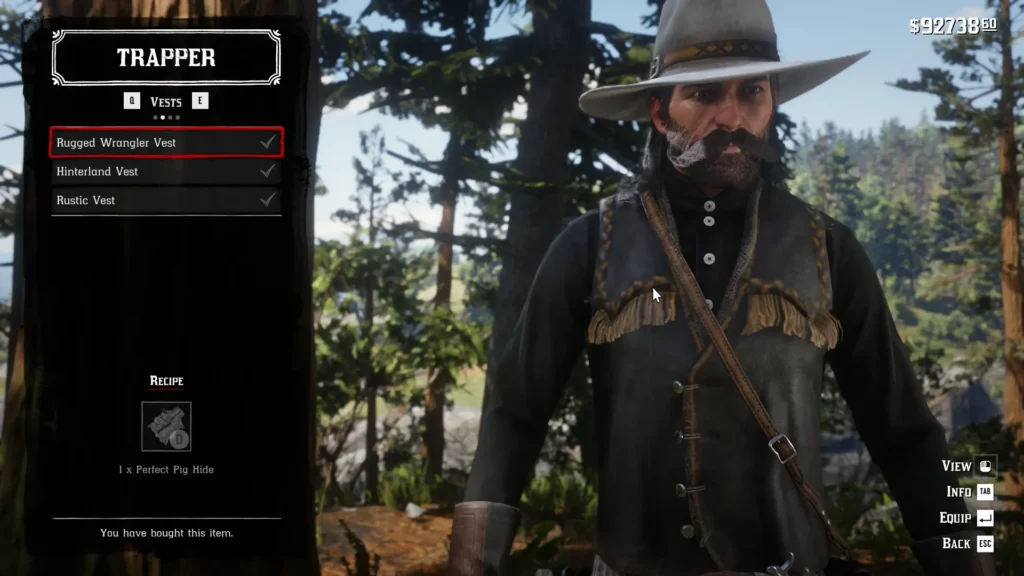
Avoid buying around an unconfirmed assumption
A recipe that looks nearly complete may still require a different material than the one you brought. Read the unavailable requirement in the shop before leaving for another hunt. If the item is available but unaffordable, the next task is money rather than more animals. Separating those states prevents unnecessary collection.
Likewise, do not assume that a cosmetic item changes every performance characteristic of an outfit. Read the information the game actually provides and keep appearance separate from any stated environmental suitability. When building a practical wardrobe, compare how the full combination is described, then keep an alternative for a different travel setting. A matching colour palette alone is not a complete equipment plan.
Finish the purchase with an outfit check
Equip the new piece, return to ordinary play, and inspect it from the views you use most. If it works, save the combination and remove that recipe from your active list. If it does not, identify what failed visually before buying another piece: proportion, texture, colour, or layering. That specific observation makes the next choice better. The aim is a wardrobe you enjoy using, not a growing collection of purchases made to fix an undefined dissatisfaction.

Continue your RDR2 route
- RDR2 Weapons: Choose a Loadout by Role, Not One Stat
- RDR2 Susan Grimshaw Herbs: Request, Delivery and Reward
- RDR2 Limpany Gold Bar: Location and Pickup Checklist
Source reference: TposeGaming. Written as a practical Story Mode guide. Planning recommendations are GameThrum editorial guidance; no firsthand playtest is claimed.