A story choice with an important limit
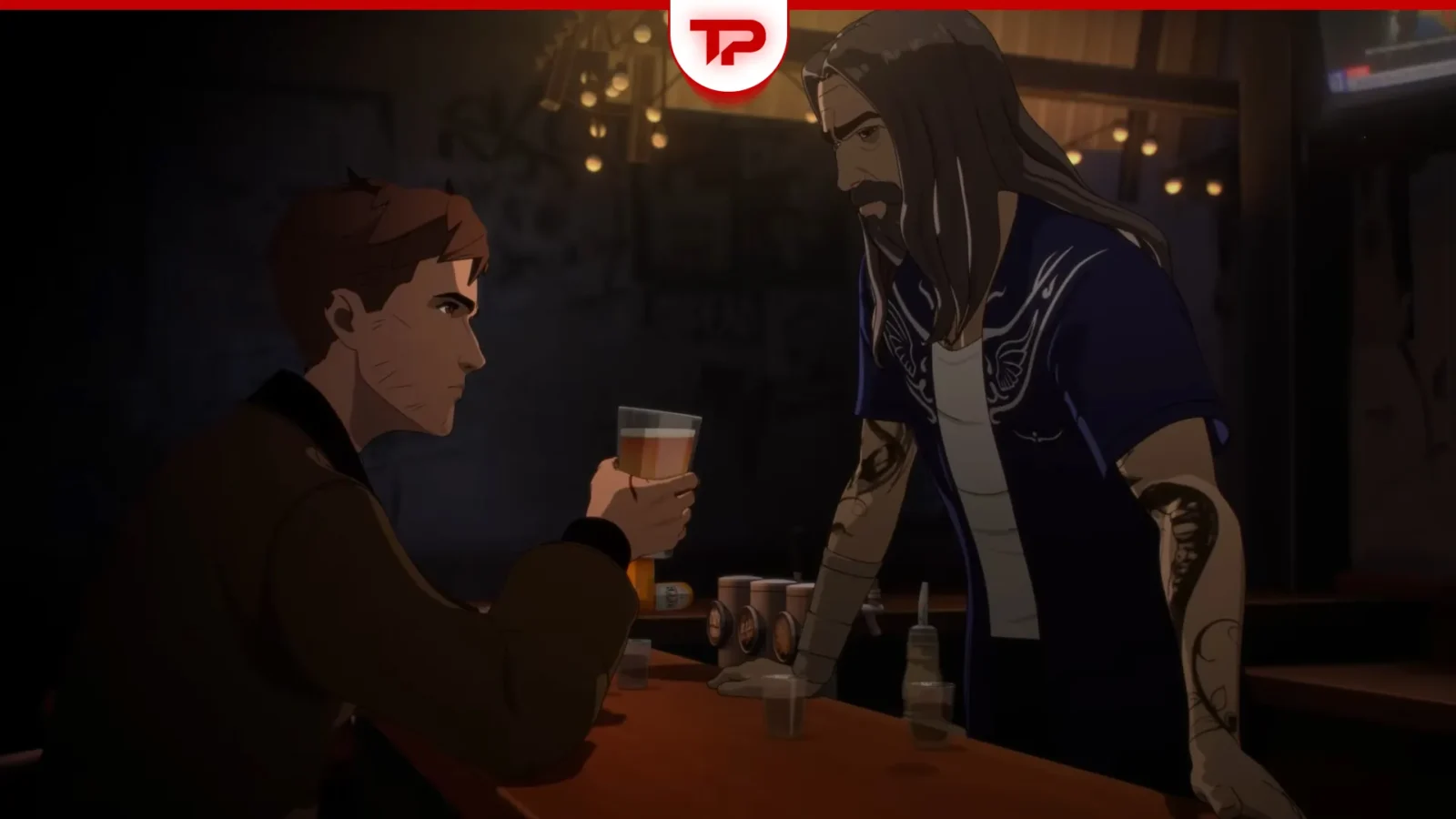
This section contains episode-seven spoilers. TposeGaming says Shroud intervenes regardless of Robert’s choice at the Sardine, so the bartender’s fate is unchanged. Waiting produces the restrained response. The source also flags disagreement over hidden morality values, so this guide does not publish a definitive point total or promise an ending from this choice alone.

Decide what you want Robert’s response to express
Read the options as statements about the character you are portraying. Do you want this moment to express anger, restraint or refusal to escalate? That is a story preference you can make without converting every response into an optimisation problem. Choose according to that intention rather than to an unsupported promise of a better ending.
Do not confuse your preference for a reaction with approval of everything that follows in the scene. A fictional narrative can place events outside the player’s control. Keeping the selected response separate from the subsequent outcome makes it easier to discuss what the choice actually represented on your run.
Treat hidden-point claims carefully
When two guides disagree about a number, first check whether they are discussing the same version and the same choice. A confident-looking table is not necessarily stronger evidence than a clearly described observation. Without a reproducible method, do not build an entire replay plan around a small numerical difference that may be interpreted differently.
Record the visible reaction and the version you played if you want to investigate. Keep an external guide’s interpretation in a separate note. This lets you revise an assumption later without rewriting your memory of what actually appeared on screen.
Use replay to answer a narrow question
A useful replay question is “How does Robert deliver the other response?” That is something you can compare directly. “Will this single click fix every later relationship?” is a much broader claim and needs much stronger evidence. Define the question before revisiting the scene so that you know when the comparison is complete.
Inspect the game’s available replay and save controls first. Do not assume that revisiting a scene preserves every later state, or that a guide has tested your particular sequence. If your current story path is valuable to you, understand those controls before replacing progress.
Keep discussion focused on the actual scene
When discussing the choice with another player, separate three questions: what Robert chose, what the scene showed, and what you infer about later consequences. Agreement on the first two does not require agreement on the third. This is a more useful comparison than labelling an entire run good or bad from one reaction.
For parents or shared viewing, the relevant content concern is the scene’s violence, not merely which button is selected. This guide is a plot explanation, not an age rating or a psychological assessment. Review the actual scene and the game’s official content information when making a household decision.

Sources and editorial approach
Source references: TposeGaming. Game-specific facts are attributed above. Planning methods are GameThrum editorial recommendations, not additional game mechanics. No firsthand playtest is claimed.