Understand the loop before expanding it
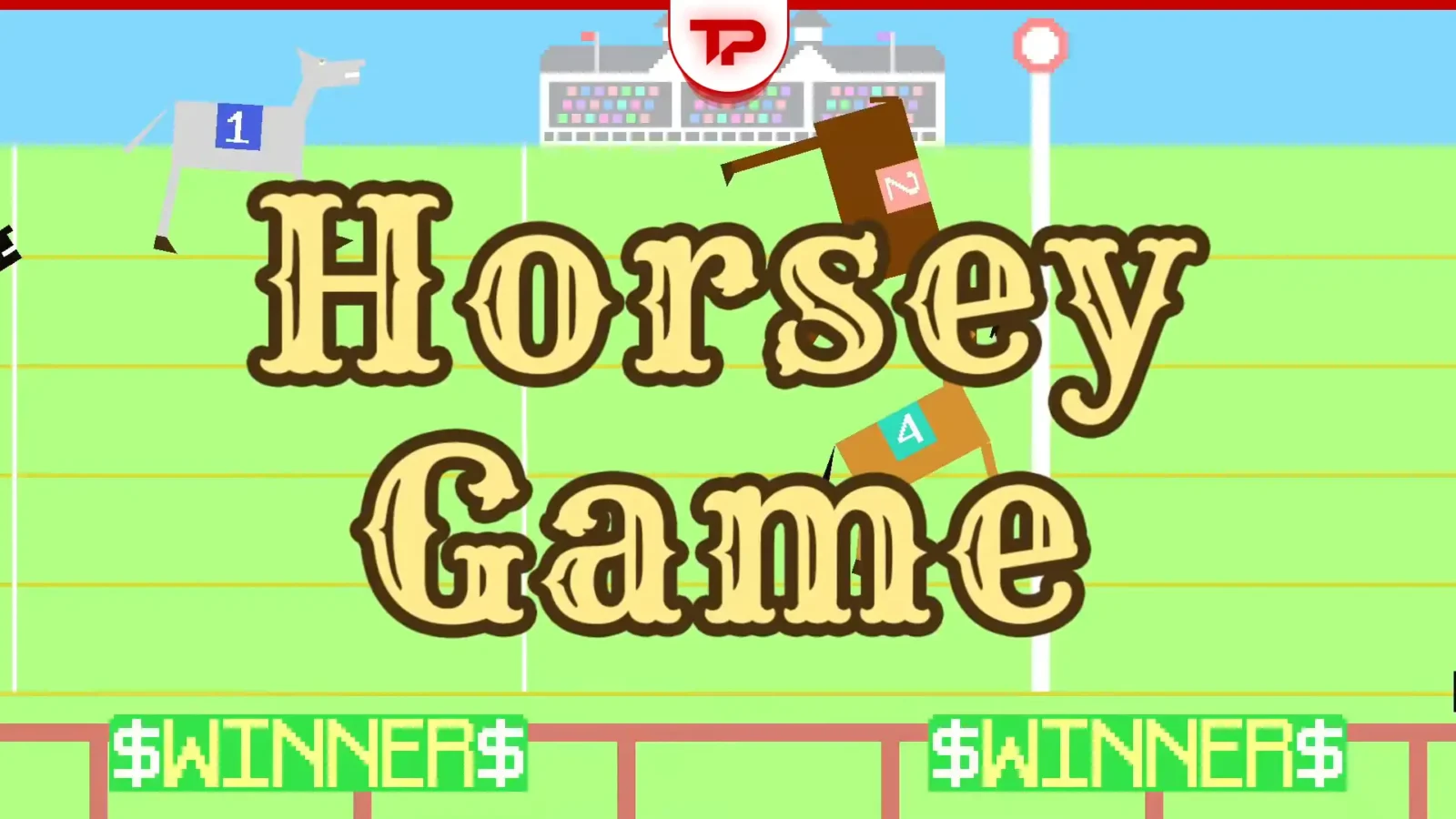
TposeGaming’s beginner guide connects horse collection, care and competition to raising money. It advises feeding and resting horses, learning landmarks such as the racetrack and laboratory, and distinguishes slower natural breeding from more expensive genetic editing. This article uses that outline to plan a manageable session; it does not supply a tested maximum-income route.

Choose one activity and prepare for it
Start by naming the activity you want to understand today. Learning the route to an event, comparing two horses and experimenting with a trait are separate goals. Pick one as the main task and treat everything else as optional. That keeps a short session from becoming a series of unfinished trips across the map.
Before leaving your familiar area, check the horse you intend to use and the supplies or preparation shown as necessary by the game. Do not assume that a horse suited to one activity is automatically your best choice for every event. Read the current event information and make the comparison relevant to that task.
Create a route you can repeat
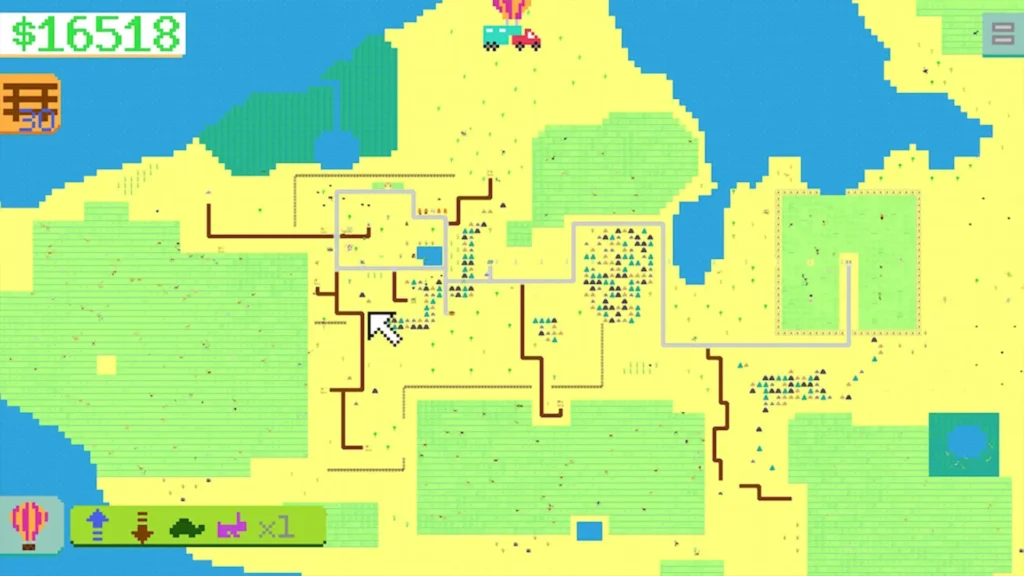
Use recognisable landmarks to describe your route in your own words. Record the destination, the main turning point and the place you intend to return to afterwards. A short route note is often more useful than an elaborate tour when your immediate goal is to complete one activity without getting distracted.
If you explore on the way, separate the new discovery from the original task. Mark it for a later visit rather than automatically abandoning the plan. This is especially useful when learning several systems at once: finding an interesting location does not require understanding every interaction there during the same trip.
Compare improvement with its cost
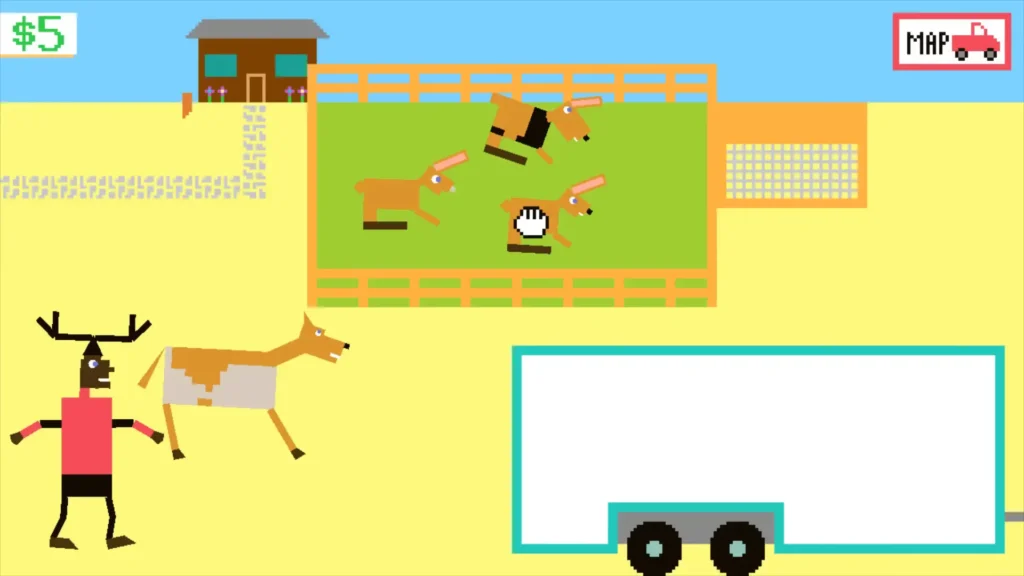
Before spending on a change, write what problem you expect it to solve. A vague hope that a more unusual horse will perform better is difficult to evaluate. A clear objective, such as improving the result in the event you are practising, gives you a reason to compare before and after.
Keep a reserve for the ordinary activities you still want to do. This is a personal budget, not a recommended numerical amount. If you are learning a complicated system, prefer a small understandable experiment over several simultaneous purchases. Changing one factor makes both the expense and the result easier to judge.
End the session with a useful record
Record which horse you used, the activity attempted and the result you observed. Add a short note about preparation and travel. If you later compare another horse, this baseline helps distinguish a different setup from an actual improvement instead of relying on a general feeling that the session went better.
Choose the next task before stopping: revisit an event, learn one laboratory interaction or explore a marked location. Keep that task small enough to begin without rereading an entire guide. A repeatable care-and-activity routine is a clearer starting point than pursuing every upgrade before you understand the basic loop.
Sources and editorial approach
Source references: TposeGaming. Game-specific facts are attributed above. Planning methods are GameThrum editorial recommendations, not additional game mechanics. No firsthand playtest is claimed.

